Labels

Labels

Tampilkan postingan dengan label Fish. Tampilkan semua postingan
Kamis, 27 Agustus 2015

Discus Fish

Discus fish


This fish is a freshwater aquarium fish that still survive as the King of freshwater aquarium fish. Discus fish first described by Dr. Heckel in the 1840s, he describeshis findings (wild discus fish) species of Symphysodon, which means "to have teeth in the middle of the jaw". Discus fish first found is called the Heckel discushas three very striped livery. the first line which passes through the head, the second line on the part of the body, and the line ninth on the tail section. TheHeckel Discus originates from Rio Negro (Central Brazil).

In 1904, genus discus others found. Pellegrin wrote concerning inexperienced Discus (Symphysodon aequifasciata), a species found within in the lake waters of the Amazonand Peru Tefe. Then within the Thirties, and commenced to be celebrated within the discus strive cultivated within the marine museum. New within the 1930s began to fish with success developed scattered. till within the Sixties – associate mentioned that there ar 2 alternative species of discus, specifically Brown Discus (Symphysodon aequifasciata axelrodi) and Blue Discus (Symphysodon aequifasciata haraldi). though unclear, whether or not the species is really totally different than the previous species or simply the results of a captive

Discus Fish Types

1. Red Royal Blue Discus fish


2. Snake Skin Discus Fish


3. Snake Skin King Cobra Discus fish
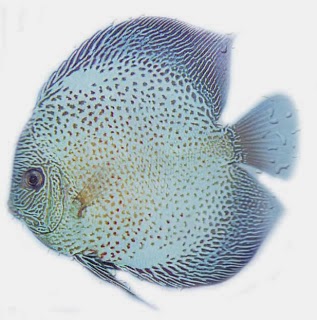

4. Blue Diamond Discus fish


5. Red Melon Discus fish


6. San Red Discus fish


7. Golden Marlboro Discus fish


8. Leopard Snake Discus fish


9. Mosaic Leopard Discus fish


10. White Diamond Discus fish


11. Fire Cacker Discus fish


12. Heckel Discus fish


Unknown Fish
Selasa, 11 Agustus 2015

Tetra Fish

Tetra Fish

This time i will be able to pass some variety of fish tetra.
Tetras are small species of freshwater fish found in streams and rivers throughout the subtropical and tropical zones of South & Central American, and Africa. They are members of the Characidae family which are distinguished from other fish by the presence of a small adipose fin between the dorsal fin and caudal fin. Most tetras are peaceful and have an unaggressive temperament which makes them suitable in any peaceful community aquarium. They are active schooling fish and do best in groups of ten or more of the same species, with more being better. In their natural enviornment most tetras live in soft and acidic waters (pH 5.5-6.8) with temperature ranging from 25 to 28° C. Tetras do best in a well-planted aquarium with moderate lighting using dark substrate to display their vibrant colorations. In many species, male tetras claim small territory which they defend against other males, but this leads to the liveliness of the aquarium.

Good tankmates for smaller tetras include rasboras, dwarf cichlids, corydoras, hatchetfish, pencilfish, and plecos. Larger tetras such as Bleeding Heart Tetras, Diamond Tetras and Congo Tetras can be kept with larger fish such as Angelfish and Discus. Species such as the cardinal tetras are among the most popular of all freshwater fish, adding a touch of brilliance and social interaction to the community aquarium.

In some species, sexing is quite easy… adult females are more full bodied and wider in the stomach area, whereas, males are slimmer, sometimes having larger dorsal fin, and coloration is usually more intense. Males are often territorial and will defend their space against their neighbors by presenting themselves in profile with the dorsal and anal fins fully extended, and their coloration intensified, making the edging of the body patch stand out prominently. This is a wonderful display when it happens. Sometimes they will exchange blows which can tear the fins, but this damage heals quickly.

Most tetras are not easily breed. The Aquarist must be willing to spend a lot of time and have patience to breed them. The tetras do not engage in any type of brood care, but simply deposit their eggs on plants or scatter them around the tank. Water conditions must be very soft and acidic with a separate breeding tank for this purpose. Once the eggs are laid the parents must be removed or they will eat the eggs. The finest of food must be available for the fry, and in some species baby brine shrimp is even too large for the first couple of days. Although difficult to do, breeding is not impossible and can be one of the best experiences in your hobby.


1. Cardinal Tetra

The cardinal tetra (Paracheirodon axelrodi) may be a seafood of the characin family (family Characidae) of order Characiformes. it's native to the higher Orinoco and Negro Rivers in South America. Growing to regarding three cm (1.25 in) total length, the cardinal tetra has the placing iridescent blue line characteristic of the fish genus species laterally bisecting the fish, with the body below this line being vivid red in color, therefore the name "cardinal tetra". The cardinal characin's look is comparable thereto of the closely connected related tetra, with that it's typically confused; the neon's red coloration extends solely regarding halfway to the nose, and therefore the neon's blue stripe may be a less vibrant blue.

2. Neon Tetra

The Neon Tetra is often described as the jewel of the aquarium hobby. It is easy to see why it is one of the most popular freshwater tropical fish. With their iridescent blue bodies and bright red tails, Paracheirodon innesi creates an exciting splash of color in any aquarium, especially when kept in schools of six or more.

Native to the clear water streams of South America, the Neon Tetra prefers densely planted systems with plenty of low light areas to hide. To best recreate its natural habitat, place rocks and driftwood amongst the plants for added areas of refuge. However, the Neon Tetra will tend to swim or remain suspended in the water column in schools to create a breathtaking display of color. Extremely peaceful, the Neon Tetra should be kept with similarly non-aggressive tankmates of a similar size.


3. Diamond Neon Tetra

The Diamond Head Neon Tetra comes from the clear waters of South America. The Diamond Head variety of Paracheirodon innesi has been developed through selective breeding. This variety of Neon has a metallic "diamond" patch on its back between the eyes and dorsal fin. This variety of neon can be identified by the bright blue stripe, offset by red, that runs horizontally down the side of its body. 
In at least a 10-gallon aquarium, plants, rocks, and some driftwood should be used to give the Diamond Head Neon Tetra hiding places and security. These are mid-level swimming fish, so taller plants should be used. They require a steady slightly acidic pH and constant temperature.


4.  Black Neon Tetra

The Black Neon Tetra boasts one of aquaria's most beautiful and unusual coloration. The body of the iridescent Black Neon Tetra is an elegant blend of deep obsidian black paired with a contrasting bright, neon horizontal stripe of yellow-green. A fluorescent orange marking above its eyes completes the telltale markings of the Black Neon Tetra.

Praised for its peaceful nature, the Black Neon Tetra is a great addition to any soft water community aquarium. The distinct coloration of the Black Neon Tetra complements the shaded green and yellow hues of most freshwater plants. In turn, the plants offer hiding places for the Black Neon Tetra. The addition of rocks and driftwood also help mirror its natural habitat. The Black Neon Tetra thrives in slightly acidic water and will do best when water parameters are kept constant. The Black Neon Tetra is a schooling fish and will do best if kept in odd numbers of 5 or more. 


5. Rummy Nose Tetra

Prefers dim lighting and will show its colours better over a dark substrate. It looks superb in a heavily planted setup decorated with pieces of bogwood and twisted roots, perhaps with a layer of surface vegetation to further diffuse the lighting.

It can also be kept in an Amazonian biotope setup if you wish. Use a substrate of river sand and add a few driftwood branches (if you can’t find driftwood of the desired shape, common beech is safe to use if thoroughly dried and stripped of bark) and twisted roots. Aquatic plants should not be used. A few handfuls of dried leaves (again beech is good, and oak is also suitable) would complete the natural feel. Allow the wood and leaves to stain the water the colour of weak tea, removing old leaves and replacing them every few weeks so they don’t rot and foul the water. A small net bag filled with aquarium-safe peat can be added to the filter to aid in the simulation of black water conditions. The lighting should be fairly dim in this kind of setup.


6. Penguin Tetra

The Penguin Tetra comes from the tributaries and rivers of South America and makes a wonderful addition to any community aquarium. They are pale to golden in color, and have a black vertical stripe that extends down the bottom half of the tail, giving an appearance similar to a penguin.

The Penguin Tetra can be housed in an aquarium with other soft water fish. Tetras are a schooling fish that work well in groups of six or more fish of the same species. Live plants, rocks and driftwood help to enhance its natural habitat and provide hiding spaces. 


7. Emperor Tetra

The Emperor Tetra is a peaceful fish that can be housed in any community aquarium. Its fins are translucent and the tail has a unique look that will intrigue the beginner to the expert aquarist. Originally from South America, the Emperor Tetra makes a great addition to the community aquarium.

The Emperor Tetra can be in a housed with soft water fish to brackish water fish. Plants, rocks, and driftwood help to enhance its natural habitat and provide hiding places.

The Emperor Tetra will breed occasionally in an aquarium setting and a hospital or "breeding tank" will be necessary. Slightly acidic water is best for optimal breeding habits. After spawning, remove the parents to prevent them from eating their offspring. 


8. Black Phantom Tetra

The Black Phantom Tetra is a very peaceful, schooling fish that comes from the regions of Central Brazil. Receiving its name from its black translucent coloring, the hardy Black Phantom Tetra is great for any community aquarium. Males of the species will have a higher dorsal fin, and display a more brilliant coloration.

Hiding spaces such as rocks, plants, and driftwood are recommended to give this fish a sense of security. Taller plants should be used to coincide with its mid-level swimming habits along with plenty of rock formed cave structures.

Phantom Tetras will breed occasionally in an aquarium setting and a hospital or "breeding tank" will be necessary. Slightly acidic water is best for optimal breeding habits. After the eggs have been fertilized, removing the parents will be necessary to reduce the number of lost fry. Feed the fry baby brine shrimp or crushed flake food. 


9. Bleeding Heart Tetra

The Bleeding Heart Tetra gets its name from the markings on its body. The blushing red near the gills gives this South American fish a "bleeding heart" look. Perfect for the community aquarium, this hardy tetra will be a great choice for the beginner to the expert aquarist.

A planted tank of at least 20 gallons will be the ideal environment for this tetra. Rocks and driftwood help mirror its natural habitat and will help to reduce stress on the fish. The Bleeding Heart Tetra does best will soft slightly acidic water with high filtration.

The Bleeding Heart Tetra will breed occasionally in an aquarium setting and a hospital or "breeding tank" will be necessary. Slightly acidic water is best for optimal breeding habits. After the eggs are laid removing the parents will be necessary to reduce the number of lost fry. 


10. Diamond Tetra

The Diamond Tetra, also known as Brillantsalmler, Diamond Characin, Pittier's Tetra and Timanttitetra is native to South American inland waters. They are said to sparkle like a diamond with their silvery scales and orange accents.

These Tetras prefer a heavily planted tank and softer water on the acidic side. They are ideal fish to put in a community tank and prefer to school with an odd number of at least 3 Diamond Tetras, making them an attractive addition to your home aquarium.

Unknown Fish

Simple Aquascape


HOW TO START YOUR AQUASCAPE


1. Aquarium 


Aquarium is the main thing that must be owned before the start of aquascaping. the following things to remember in setting tank


  • The bigger the aquarium is getting greater volume of water in it, and vice versa
  • The larger the volume, the greater the cost incurred, and vice versa. In this case, depending on the budget of the hobbyists.
  • The greater aquariumnya, the easier the players in decorating hardscape (wood, stone, etc.) and its vegetation, and vice versa
  • The greater the volume of water, more stable water parameters, neither the opposite. In this case, the addition of carbon dioxide and fertilizers, etc. that will be used later to determine the parameters of the waterThe greater the volume of water, the thicker the glass should be used, neither the opposite. In this case, the thickness of the glass is very influential in holding load of the aquarium.

2.Fertilizer


In General, the fertilizer contains nutrients-nutrients needed by plants and this also applies to plants in the aquascape. In the world of aquascape is possible various types of fertilizers, either in the form of a solid (the basic substrate) or liquid.


3.Substrate


There is a wide range of substrates that are offered in the hobby of aquascape. In the world there are various substrates including aquascape, namely; Silica sand, sand, soils of rice fields to the hapless substrate is specifically used for the aquascape (there are soil, soil, Nisso Azoo soiil, etc.). Each substrate has strengths and weaknesses, generally divided into several points, among them;


4. Plant

The selection of types of plants are very influential towards the beauty of the aquascape. Based on its position in the aquascape, plants divided into three, namely;
  • Foreground (Front). In general the plants that adorn in the forefront is the plant that is shaped like a carpet (propagate left-right). The types of plants that normally adorn the front part, namely; Glossostigma elatinoides cuba, Hemianthus, etc.
  • Midground (Middle). In general the plants that decorate the central part is the plant that is not too high and covers the background (background). The types of plants that normally adorn the central part, namely; Staurogyne Eleocharis sp, sp, etc.
  • Background (Background). In general the plants that adorn the back is the towering plants. The types of plants that usually decorate the back, i.e.; Eleocharis vivipara, Valisneria nana, etc..

The Division of the above position depending on the decoration of each player. The most important Division in his position should be adjusted high-the shortness of a plant. This avoids the counteraction of plants in every position of the plant.
There are all kinds of plants are sold either at the fish shop as well as in the network community forum aquascape.


5. LED Lights
 Plants need photosynthesis in order to grow and develop. in this regard, the role of the Sun's light is absolutely necessary in the process of photosynthesis of plants, but in the aquascape, the role of the Sun's light can be replaced by light bulbs. Each plant has different levels of light stimulation to grow. Needs lights also adapted to the volume and type of aquarium setup we will create. Based on the needs of the plants will be the stimulation of light, light type are divided into 3 groups, namely;

  • High light (lighting level high) ; Generally the range comparison with light volume, which is 1watt/liter.
  • Mid light (lighting level being) ; Generally the range comparison with light volume, i.e. 1/2watt/liter
  • Low light (low lighting levels) ; Generally the range comparison with light volume, i.e. 1/4watt/liter 


6. Filtration Systems
 Filtration systems are indispensable in an artificial ecosystem. There are various filtration systems used for the aquascape.


7. CO2 Injection

Plants do photosynthesis for growth, as well as in plants on the aquascape. At the time of photosynthesis, plants breathe in carbon dioxide and give off oxygen. The carbon dioxide needs sufficient and stable amount required in the aquascape. Deficiency and excess intake of carbon dioxide also cause the growth of algae due to not konstannya the amount of carbon dioxide in the water.

Aquascape

Aquascape


Aquascape is the art of arranging aquatic plants and rocks, coral, coral, or driftwood, naturally and beautifully inside the aquarium so give effects such as underwater gardening.
Aquascape usually consists of fish besides also plants. Although it could be to create an aquascape with plants only, or only with stones or other components without any plants.
The main purpose of the aquascape is to create an image of "underwater", so that the technical aspects of maintenance of water plants should also be considered. There are many factors that must be balanced in the ecosystem of an aquarium tank to ensure the success of the creation of a beauty from the art of aquascape.
These factors include filtering (filtration), maintain the levels of carbon dioxide (CO2) at a level sufficient to support photosynthesis underwater, substrate and fertilization, lighting, and controls algae (MOSS).
Own Aquascape design includes a number of different styles. Below, there are several types of styles in styling your aquascape.
 
 
Dutch Style
 

 Dutch Style aquariums usually organize several kinds of plants that have leaves, size, color and texture more variegated as the flower garden as often we find on the ground. This style developed in the Netherlands started in the 1930s, along with the increasing availability of plant equipment that are sold commercially. Dutch Style emphasizes plants located on the front of the aquarium with a height of, and is thus often ignore the use of rocks and driftwood. Usually the plants arranged in the order of the line up from left to right and referred to as "streets of Netherlands". Because the row of roads in the Netherlands usually neat and straight lined. Another characteristic of Dutch style is more than 80% of the Aquarium floor covered with plants, so very little substrate is visible. High growing plants typically cover the rear glass of the aquarium with the purpose of covering the large equipment hiding behind the tank.

 Japan Style (Nature Style)


One style with contrast Setup is the nature of the style or Japanese style, introduced in the 1990s by Takashi Amano. The composition of an interesting technique of Amano gardening Japan who try to mimic the natural landscape with asymmetrical arrangements of aquatic plants are relatively few and the selection of stone or Driftwood are selective. The goal is to create wave (landscape) in miniature, rather than a colourful garden. This style draws particularly from the aesthetic concept of Japan back Wabi-Sabi which focus on minimalist as a source of beauty, and the concept of Iwagumi which sets out rules governing the stone.
In the system of Iwagumi, Oyaishi or main stone, placed in the middle of the Aquarium tank. Soeishi or additional cubes, grouped nearby, while Fukuseki or secondary stones, arranged below it. The main focus of which is considered important is determined by the placement of asymmetric Oyaishi. and follow the ratio of compositional balance. Plants with small leaves, such as Glossostigma elatinoides, Eleocharis acicularis, Hemianthus callitrichoides Riccia fluitans, fern, the little water, usually emphasized, with colors that are more limited than in the style of the Netherlands. Fish, or shrimp Caridina multidentata like freshwater and Neocaridina heteropoda, usually chosen to complete the plant.

Dutch style and Japanese Style is traditional Aquarium Setup by using the most popular fresh water by many aquascaper in the world ...